




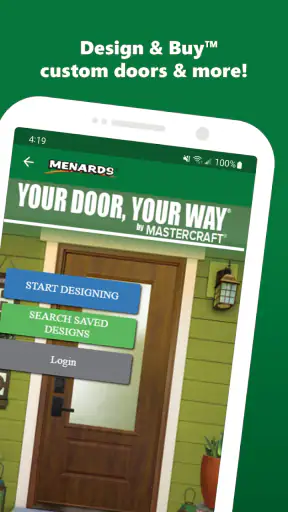
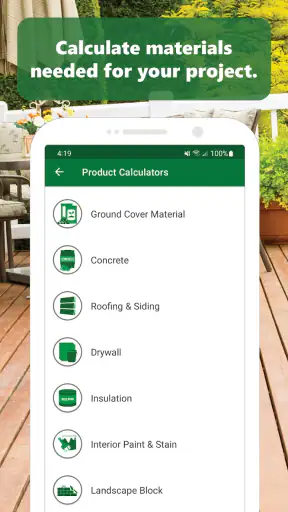
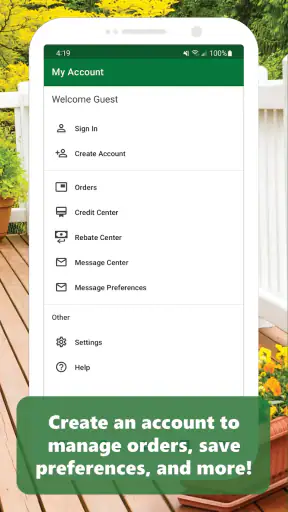
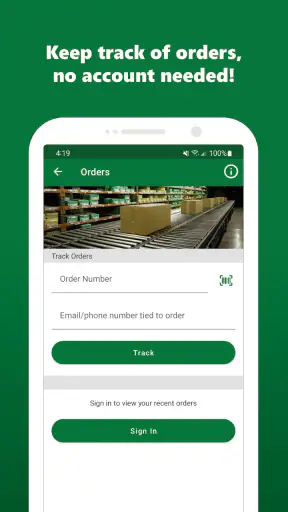
When I shop at Menards, I usually want to answer three questions quickly: can I find the item at a nearby store, can I see the current deal before leaving home, and can I keep the shopping trip organized once I am inside? The Menards® app is built around those practical decisions rather than around browsing for entertainment. It is a free shopping app from Menard, Inc., and after using it, I see its main value as a mobile companion for people who already shop at Menards or are considering a store visit.
My experience is that the app works best when I treat it as a preparation tool. I use it to look up products, check store-related information, review savings opportunities, and reduce the amount of wandering I do in a large home-improvement store. It is less compelling if I only want a polished general marketplace with a huge range of unrelated retailers. The right choice depends on whether your shopping decisions begin with Menards.
What I would check before making it my regular shopping tool
The first decision criterion is simple: do you shop for home improvement, building materials, hardware, outdoor supplies, appliances, or household items at Menards often enough to benefit from a dedicated app? If the answer is yes, installing it makes sense because the app keeps store-focused information in one place. If you rarely visit Menards and normally compare several retailers at once, a general shopping app may fit your habits better.
I also pay attention to how much preparation a purchase requires. A quick grab for a familiar item does not need much digital help. A larger project is different. Before buying paint, lumber, tools, storage products, or seasonal merchandise, I want to compare options, think through quantities, and avoid discovering at the store that I chose the wrong variation. A retailer-specific app can be more useful than a broad marketplace when the physical store itself is part of the buying process.
The app is free, carries an Everyone age rating, and supports devices running Android 9 or later. That makes it accessible for many households, including a shared family phone used for weekend project planning. Its current version is 11.20.1.179, so I would keep it updated if I rely on it for shopping trips. A current installation is especially sensible for an app used around changing inventory and promotions.
Its public reception is also strong: it holds a 4.8 average from around 74 thousand ratings, with roughly 6.5 thousand written reviews and over a million installs. Those figures do not replace personal testing, but they suggest that the app has become a regular part of many Menards customers’ routines. I would still judge it by whether its store-centered approach matches the way I shop.
How I use it before leaving home
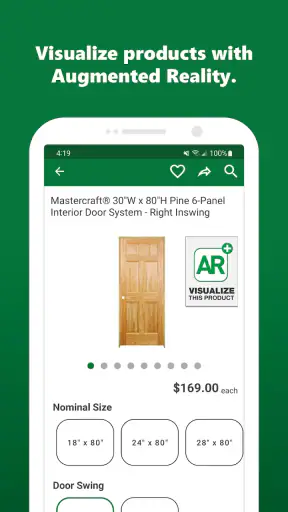
My preferred workflow starts with a project list, not with random browsing. I write down the items I need, then search for each one in the app and inspect the available product information. This helps me separate a genuine need from an impulse purchase and gives me a chance to notice when a product has several sizes, finishes, or configurations. With home-improvement shopping, that small pause can prevent an inconvenient return trip.
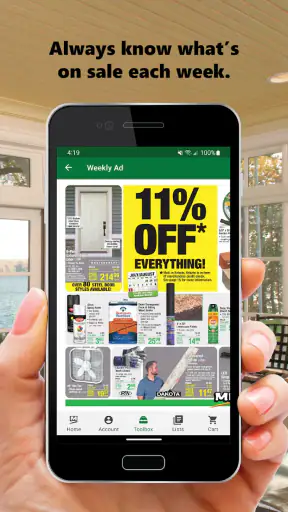
I then review the savings information that matters to my visit. Menards is known to shoppers for its deal-oriented approach, and the app is most useful when I use it to prepare rather than assume every displayed offer automatically applies to my exact basket. I read the conditions, check the relevant dates or qualifications shown in the app, and save any information I may need while shopping. That habit is more reliable than trying to remember a promotion from a quick glance.
A useful, less obvious benefit is that the app can change how I plan the order of a trip. If I am buying supplies for a repair, I can identify the main item first, then look for compatible accessories or supporting materials. For example, a storage project may require containers, shelving components, fasteners, and protection for the floor. Planning those relationships on the phone is easier than reaching the store with only one product in mind and improvising the rest.
I also recommend checking the selected store before making decisions based on availability or pickup expectations. A nearby location may not have the same assortment as another one, and a product that looks suitable in a broad search may not be convenient for the store I intend to visit. The app is most valuable when I treat store selection as part of the search process, not as an afterthought.
What makes the in-store experience better
Large home-improvement stores can be tiring because one purchase often involves several departments. I use the app as a reference point while walking the aisles: I confirm the exact product name, compare variants, and revisit my list before heading to checkout. This is particularly helpful when packaging looks similar but the specifications are not interchangeable.
One practical tip is to take a screenshot or note of important product details before entering areas where phone reception may be inconsistent. I do not depend on a live screen for every decision. Preparing the key information in advance makes the app useful even when I am wearing gloves, carrying materials, or trying to keep my phone clean during a messy project.
Another good workflow is to separate “must buy today” from “worth considering.” I keep essential repair items together and leave optional upgrades for later review. That prevents the app’s browsing experience from turning a focused trip into an expensive detour. It also makes it easier to notice whether a deal genuinely changes my decision or merely encourages me to add something I had not planned to buy.
For repeat purchases, the app can become a memory aid. I can use previous product searches and saved shopping information as a reminder of what worked on an earlier project. That is useful for matching supplies across rooms or returning to a product after measuring at home. I would still verify dimensions and compatibility each time, because remembering a product category is not the same as confirming that the new project has identical requirements.
Where this app wins over ordinary shopping habits
The strongest advantage is focus. A general marketplace may offer more sellers and a wider mix of products, but it can also make a home-improvement task feel fragmented. The Menards app keeps my attention on one retailer’s assortment, store visit, and savings process. When I already know that Menards is a realistic place to buy the project materials, that focus saves time.
It is also better than relying only on a paper list when product choice matters. A paper list tells me that I need wall anchors; the app gives me a way to investigate the available options before I stand in front of a shelf. A browser search can help with research, but the dedicated app is more directly connected to the retailer I may visit. That connection is the reason I would install it, not simply the presence of a product catalog.
Another advantage appears during seasonal shopping. Outdoor maintenance, storage changes, decorating, and weather-related repairs often involve several related purchases. I can prepare a list, revisit it, and check the app before making another trip. The app does not eliminate the need to measure, read labels, or understand a project, but it reduces avoidable uncertainty around the shopping part.
I also appreciate that the app is free. There is no purchase decision just to test it, so I can install it before a single project and decide whether the workflow earns a permanent place on my phone. For an occasional Menards customer, that low commitment matters: use it when needed, then remove it if it does not improve the next visit.
Where another type of shopping tool may fit better
I would not choose this app as my only shopping tool if my priority is comparing many retailers in one screen. A general marketplace or price-comparison service is more suitable when I care mainly about the lowest total cost across competing stores, delivery options, and different sellers. The Menards app is intentionally more focused, so its strength can become a limitation for cross-retailer research.
It may also be the wrong choice for someone who prefers buying everything online with minimal store involvement. Home-improvement purchases often benefit from seeing color, texture, scale, and build quality in person. The app can support that process, but it does not remove the need to inspect certain products yourself. If you want a purely delivery-first experience, another shopping option may feel more natural.
People who shop at Menards only once or twice a year may also find the extra app unnecessary. In that case, a mobile browser visit or a simple handwritten list could be enough. The dedicated installation becomes worthwhile when store information, product research, and savings checks recur often enough to justify the habit.
There is also a trade-off between convenience and attention. A retailer app can make it easier to discover related products, which is helpful when I have forgotten a necessary component. It can also tempt me to browse beyond the original task. I recommend setting a spending limit and a defined list before opening it, especially for large renovation projects where small additions accumulate quickly.
Small frictions I noticed in real use
The app’s retailer-specific design means I need to think in Menards terms. If I am comparing brands, specifications, and prices across several stores, I have to leave the app and do that research elsewhere. That is not a defect so much as a boundary, but it affects how I organize a serious purchase. I often use the app for Menards planning and another source for independent comparison.
Product research can also expose the limits of shopping from a phone. A mobile screen is convenient for a quick lookup, but it is not always the best place to compare many technical details at once. For a complicated tool or building product, I prefer to read carefully at home, record measurements, and then use the app to confirm the store-side details. Rushing through a long product description in an aisle is a recipe for mistakes.
Store availability should be treated as a planning aid rather than an absolute guarantee. Inventory can change while I am traveling, and a product may be located differently than I expect. I use the app to narrow the search, then allow time for a staff question or a second choice. That approach is especially important when a project cannot proceed without one specific component.
Finally, the app does not replace project knowledge. It can help me find and organize purchases, but it cannot decide whether a fastener is suitable for a particular wall, whether a tool is powerful enough, or how much material a job truly requires. I still measure twice, read instructions, and ask for expert help when safety or structural work is involved.
The real cost of switching to it
Switching from casual browsing to a dedicated app takes a small amount of setup and habit-building. I need to select the store I intend to use, learn where product and savings information appear, and develop a routine for checking details before the trip. That effort is minor for a frequent shopper, but it may feel unnecessary for someone who already has a system that works.
The larger cost is mental: once I rely on the app, I may be tempted to check it repeatedly for every small purchase. I avoid that by using it at three deliberate points—planning, final list review, and store visit. This keeps the app helpful without letting it become another source of distraction.
There is no financial barrier because the app is free, but data and notification preferences still deserve attention on any shopping app. I personally keep only the alerts that support an actual shopping goal and avoid opening the app simply because a notification appeared. The best savings are the ones attached to something I genuinely need, not a reason to spend more.
For a family, the app can support shared planning if one person researches and another does the store run. I would send the exact product details and quantities rather than saying “pick up the blue one.” That simple change reduces confusion when several similar items are available. It also makes the app useful for coordinating a project without requiring everyone to browse independently.
My recommendation for different kinds of shoppers
I recommend installing it if Menards is one of your regular home-improvement destinations, especially if you often prepare lists, look for savings, or make trips involving several related products. The app’s value grows with repeat use because each planned visit gives it another chance to save time and reduce forgotten items.
I would recommend it particularly to homeowners managing ongoing repairs, families preparing seasonal projects, and do-it-yourself shoppers who want to research before entering a large store. It is also a sensible tool for anyone who dislikes making a trip only to discover that a product choice, size, or accessory needs more thought.
I would skip it, at least initially, if you mainly want a universal marketplace, independent price comparison, or a completely delivery-based shopping experience. In those situations, a broader alternative will probably serve you better. You can still use Menards through other shopping methods when a specific purchase brings you there.
After using it as a planning companion, my view is positive but specific: the app is most valuable when it turns a Menards visit into a prepared project rather than an improvised hunt through the store. It will not replace careful product research or practical judgment, and it is not the best cross-retailer comparison tool. For the right shopper, however, its free, focused approach makes it an easy recommendation.
Menard, Inc. has kept the product centered on the everyday needs of its store customers, and that focus is why I would keep it installed. I would open it before a project, confirm the store and product details, organize the essential purchases, and then use my own judgment in the aisle. If that sounds like the way you already shop, Menards® is worth trying. If you prefer one app to compare every retailer and every delivery route, Menards® is better treated as one useful part of your shopping toolkit rather than the whole toolkit.


